

PTSD Treatment & Trauma Therapy for First Responders
Care for those caring for others.
“They’re the sort of person who runs toward a fire. No hesitation, no questions, they just run. People like that are rare, but you know who they are when you see them.”
PTSD Prevalence
According to a global meta-analysis conducted in 2024, first responders were found to have up to 4 times higher rates of PTSD compared to the general population.
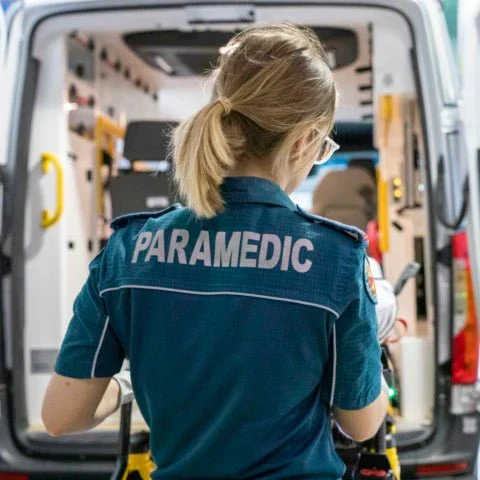
As a paramedic, firefighter, police officer, or emergency worker, you've run toward situations that everyone else runs from. And for the most part, you've handled it. You're good at handling it.
But handling it and being okay aren't always the same thing.
The Signs…
-
Sleep that doesn't come, or sleep that's full of things you'd rather not revisit
-
A short fuse at home when you were fine at work
-
Hyper-vigilance that made sense on shift, but doesn't switch off
-
Guilt, self-blame, or replaying events where you wonder if you could have done more
-
Numbing with alcohol, screens, or staying constantly busy
-
Avoiding anything that brings it back — certain streets, sounds, smells

Evidence-Based Trauma Therapies
-
![]()
Cognitive Behavioural Therapy
-
![]()
EMDR Therapy
-
![]()
Acceptance Commitment Therapy
-
![]()
Reconsolidation Therapy




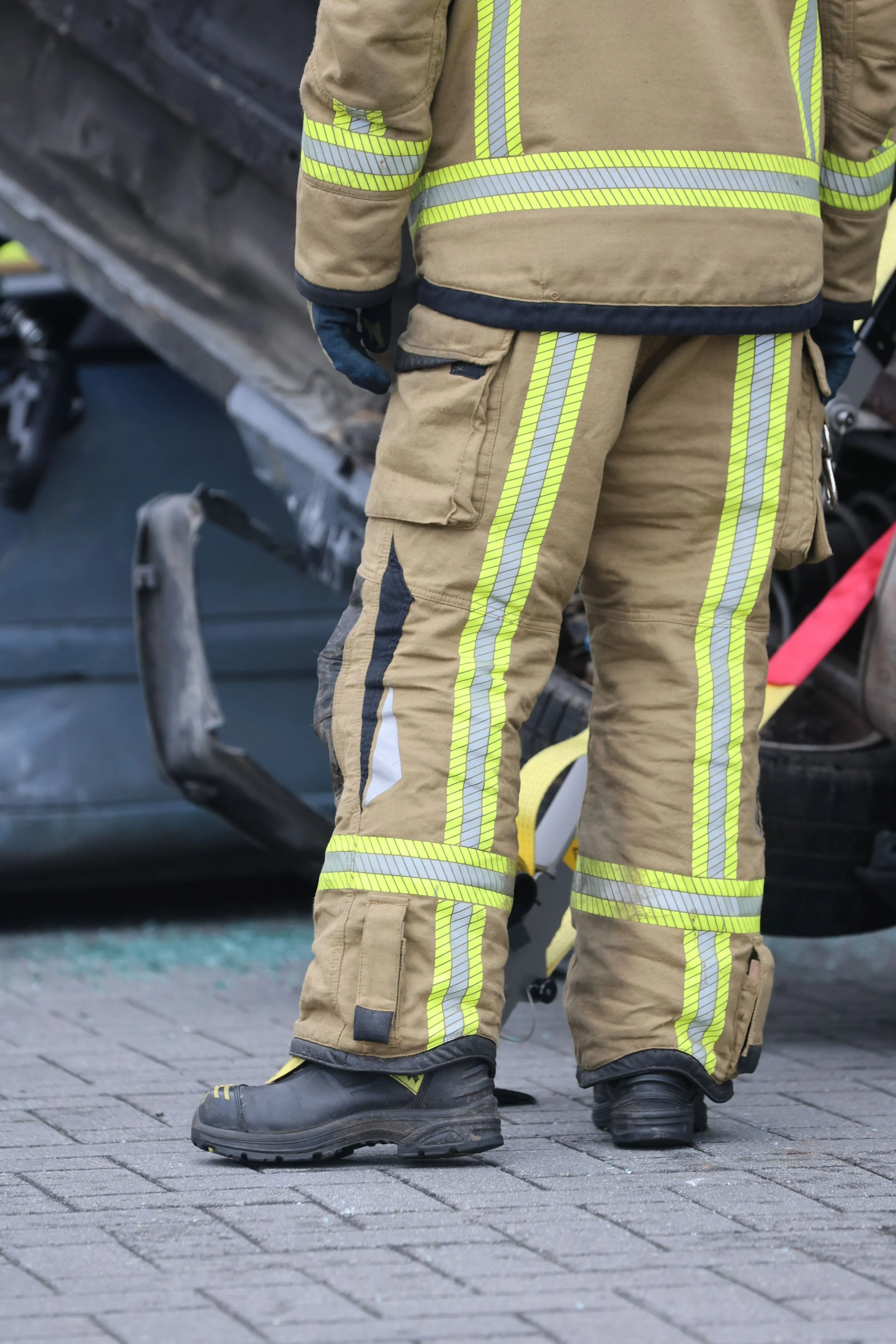
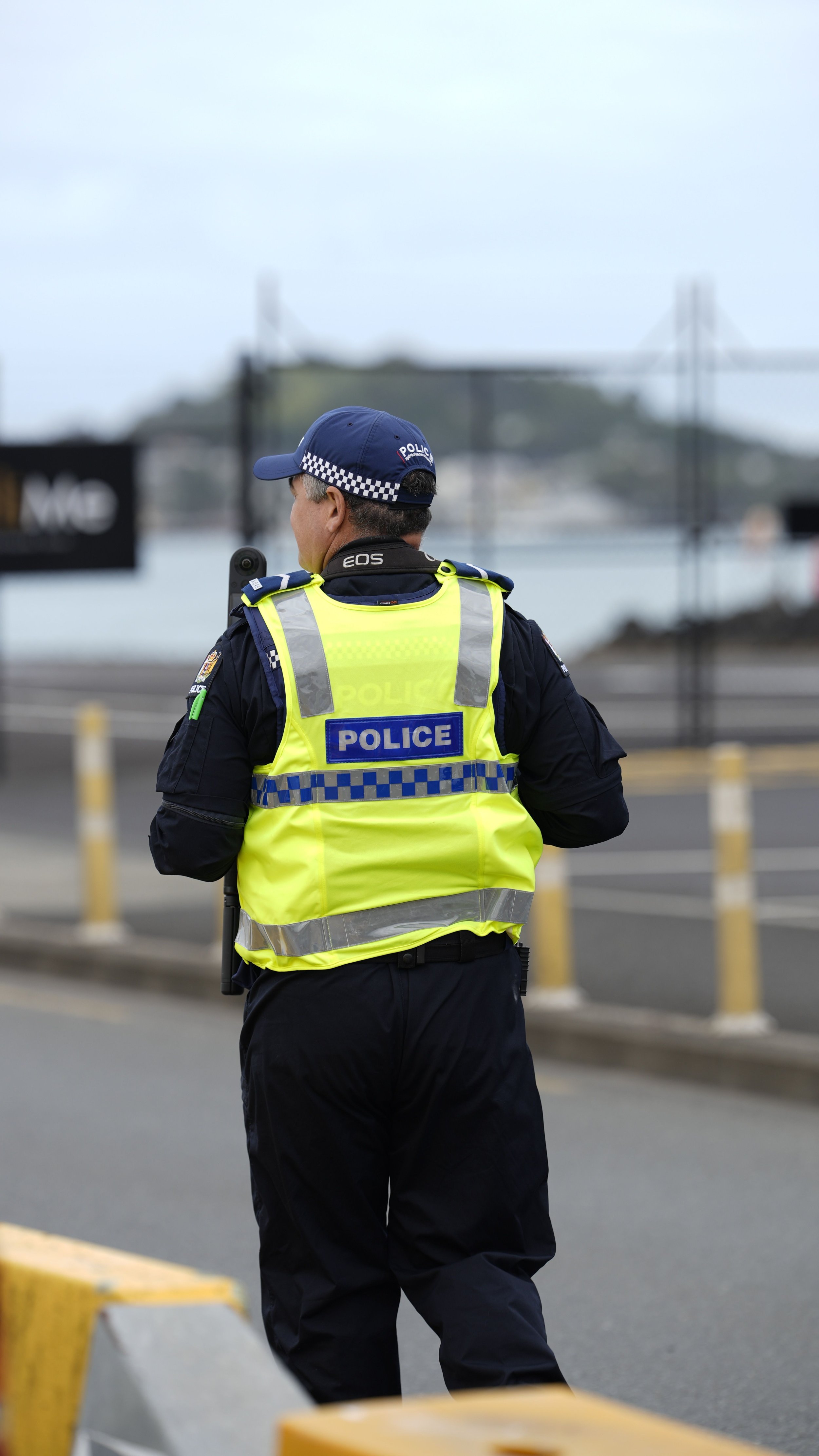
~50,000 Paramedics | ~15,000 Firefighters | ~30,000 SES | ~80,000 Police Officers |
~50,000 Paramedics | ~15,000 Firefighters | ~30,000 SES | ~80,000 Police Officers |
~30,000
Calls to
Triple 0
Each week

Adjusting to Cumulative Occupational Exposure
Therapy can support that adjustment process in practical ways:
Processing what's accumulated. A space to actually put down what you've been carrying — not to relive it, but to process it in a way your brain can organise and file, rather than keep cycling through.
Rebuilding your off-switch. Learning to move between operational mode and being present at home — with your family, your friends, yourself — without the transition feeling impossible.
Strengthening relationships. The people closest to you often bear the indirect weight of what you're carrying. Understanding how trauma affects connection — and learning tools to repair it — can make all the difference.
Building sustainable coping. Replacing the coping strategies that worked in the short term with ones that don't cost you in the long run.
Frequently Asked Questions-
Your psychologist is bound by strict confidentiality laws which means they are legally bound to keep your information confidential. This includes from your employer and peers. There are limits to this confidentiality which can be found here.
-
You may be eligible to a rebate under your private health fund, QPS SelfRefer, Priority One (QAS), or Medicare (Mental Health Care Plan from your GP).
-
Some therapeutic modalities, such as Prolonged Exposure, require detailed recollections of traumatic experiences. However, there are treatment options available, like EMDR, that mean you don’t have to explain every detail of the experience.
The pathway is a collaborative approach, so feel free to let your psychologist know if you would like to keep recollections short.
-
Good question. The answer is that you don’t really know until you give it a go.
But, to help with reducing the anticipation, you can book a free 15min phone call with your psychologist to ask them questions. This will help to get a feel for the process, and ensure they are the right fit for you before committing any time or money.
-
No.
-
You are welcome to book in a free 15min phone call to discuss the process, or feel free to book an initial session at the form here.
Once registered, our team will look after everything else, and you can begin the work with your psychologist (either in-person or online).